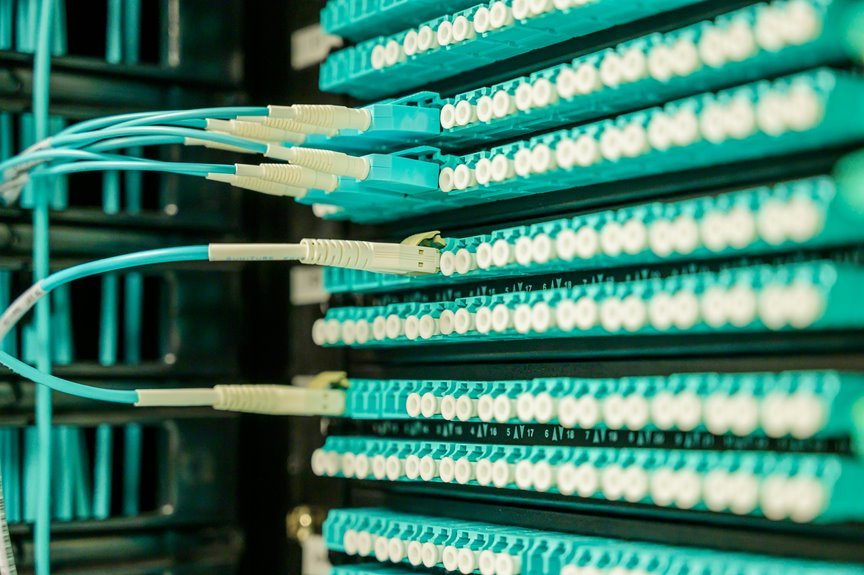
Advanced Digital Network 120936376 Optimization involves systematic techniques aimed at enhancing overall network performance. This includes prioritizing critical applications, implementing adaptive strategies, and managing bandwidth effectively. Regular assessments are crucial for pinpointing bottlenecks and optimizing connectivity. Key performance indicators, such as throughput and error rates, serve as essential tools for informed decision-making. Understanding these elements raises important questions about the future of network infrastructure and its capacity to support growing organizational demands.
Key Techniques for Optimizing Advanced Digital Network 120936376
To enhance the performance of advanced digital networks, various optimization techniques can be employed.
Traffic shaping regulates data flow, ensuring that critical applications receive necessary bandwidth during peak usage. Effective bandwidth allocation further maximizes resource utilization, preventing bottlenecks and maintaining seamless communication.
Tools and Technologies to Enhance Network Performance
Advancements in tools and technologies play a pivotal role in enhancing network performance alongside optimization techniques.
Effective bandwidth management ensures that available resources are allocated efficiently, minimizing congestion.
Traffic shaping further optimizes data flow, prioritizing critical applications while managing overall throughput.
Together, these technologies empower organizations to maintain robust, responsive networks, fostering an environment conducive to innovation and operational efficiency.
Best Practices for Managing Latency and Connectivity
How can organizations effectively manage latency and connectivity to ensure optimal network performance?
Implementing best practices such as traffic prioritization and utilizing Content Delivery Networks (CDNs) can facilitate latency reduction.
Furthermore, regular network assessments and adaptive bandwidth allocation contribute to connectivity enhancement.
These strategies enable organizations to maintain robust network performance, ensuring seamless data transmission and user experience in an increasingly dynamic digital landscape.
Measuring Success: Metrics for Network Optimization
While ensuring optimal network performance is critical, measuring success through well-defined metrics is equally essential for organizations.
Key performance indicators (KPIs) such as throughput, latency, and error rates provide quantitative insights. Data analysis enables the identification of trends and bottlenecks, facilitating informed decision-making.
Conclusion
In conclusion, the optimization of Advanced Digital Network 120936376 hinges on a meticulous blend of strategic traffic management and cutting-edge tools. By consistently monitoring key performance indicators, organizations can validate the theory that targeted resource allocation significantly enhances network performance. The evidence suggests that a proactive approach to identifying and addressing bottlenecks not only reduces latency but also fosters innovation. Ultimately, the continuous refinement of these strategies is essential for sustaining a robust and efficient network infrastructure.